Is Uzbekistan Safe? An Honest Traveler's Guide
Is Uzbekistan safe for tourists? Yes, with normal precautions. Here's the honest take on scams, solo and female travel, heat, photography, and registration.
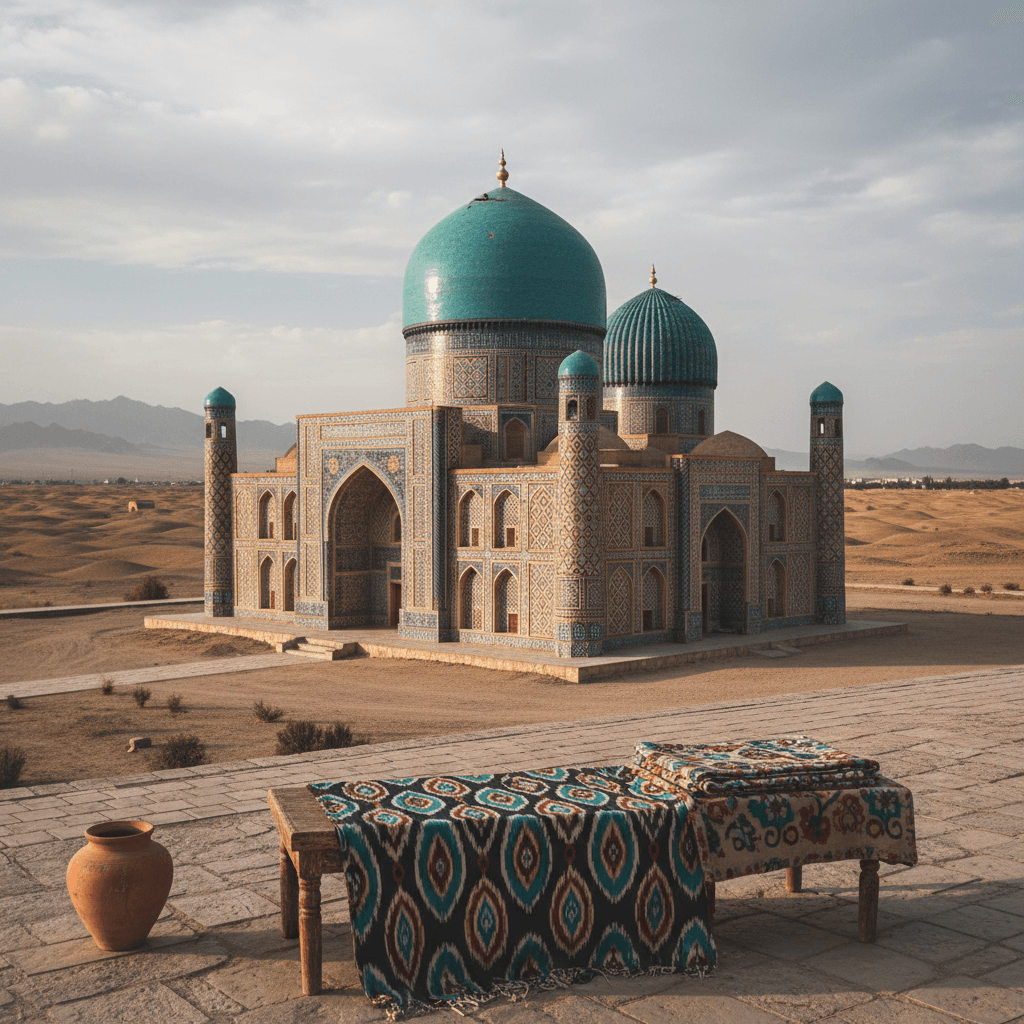
Short answer: yes, Uzbekistan is safe for tourists, and it’s one of the calmer places you can travel in Central Asia. Violent crime against visitors is rare, locals are genuinely helpful, and you’ll often feel safer walking around at night than in big Western cities.
The real risks are small and predictable: getting overcharged by a taxi, paying tourist prices at a bazaar, underestimating the summer heat. Handle those and you’re set. Here’s the honest breakdown.
Is Uzbekistan safe for tourists right now?
For most travelers in 2026, yes. The country has spent the last several years opening up, simplifying visas, and leaning hard into tourism. Police presence is high around the old towns of Samarkand, Bukhara, and Khiva, and they’re there mostly to keep things orderly.
What you’ll actually deal with is petty stuff. Overcharging, a pushy souvenir seller, the occasional taxi driver who quotes triple the fair rate. None of it is dangerous. It just costs you a few dollars and a little patience.
A couple of basics that always apply:
- Keep your passport and a copy in separate places.
- Carry small cash; many places don’t take cards, and ATMs can be patchy outside cities.
- Save the emergency number 112 and read our emergency phrases guide before you go.
The scams to actually watch for
Nothing here is sophisticated. It’s mostly about price.
Taxis are the classic one. Many “taxis” are just regular people picking up passengers, and there’s no meter. A driver will name a number, and if you look foreign, that number goes up. Agree on the fare before you get in, or use the Yandex Go app, which shows the price upfront. Our taxi survival guide covers the phrases and the going logic.
At the bazaar, the first price is rarely the real price. Haggling is expected and friendly, not a fight. Smile, counter at roughly half, settle somewhere in the middle. Saying Qancha? kahn-CHA (how much?) and then Qimmat kim-MAT (expensive) with a grin does a lot of work. We walk through the rhythm of it in bazaar etiquette.
Other small things to expect: “broken” taxi meters that were never on, money changers offering rates that are too good, and unofficial guides at major sites. A firm, polite Yo'q, rahmat yoke rah-MAHT (no, thank you) ends almost any of these.
Is Uzbekistan safe for solo female travelers?
Generally, yes, and many solo women report feeling comfortable here. Uzbekistan is a Muslim-majority country with conservative social norms, but it’s relaxed toward visitors, and harassment is uncommon compared to a lot of popular destinations.
A few things make the experience smoother:
- Dress is your call, but covering shoulders and knees draws less attention, especially outside Tashkent. You’ll want a scarf for mosques anyway.
- In a shared taxi, sitting in the back is normal and unremarkable.
- Restaurants and teahouses sometimes have a family section. If someone points you there, it’s hospitality, not a slight.
- Trust your read on a situation. If a homestay host’s invitation feels off, you can decline; most invitations, though, are warm and exactly what they look like.
Uzbek hospitality runs deep, and as a solo traveler you’ll feel it constantly. People will want to feed you, photograph you, and practice their English. If you want a sense of how that warmth works, see the art of Uzbek hospitality.
Food, water, and the heat
The heat is the thing people underestimate. Summer in the desert cities can push past 40°C, and shade is scarce around big open sites like Registan Square. Drink more water than you think you need, carry a refillable bottle, and treat midday as nap time the way locals do.
Don’t drink the tap water. Bottled water is cheap and everywhere. For tea, the water’s been boiled, so choy choy (tea) is always a safe bet, and you’ll be offered a lot of it.
Food is generally safe and very good. Hot, freshly cooked dishes like plov and shurpa are your friend. Be a little more careful with raw salads washed in tap water and with dairy left out in the heat. If your stomach is sensitive, ease into it. Our food survival guide has the phrases for allergies and “no spice.”
Photography rules you should know
Most of the time you can shoot freely, and the architecture begs for it. A few exceptions matter:
- The Tashkent metro is fine to photograph now, but stay aware near any security or official setup.
- Don’t photograph soldiers, police, checkpoints, or government buildings.
- Always ask before photographing people, especially older women. A quick Mumkinmi? MOOM-kin-mee (may I?) and a smile works.
Inside mosques and mausoleums, photography is usually allowed but be respectful during prayer. See mosque etiquette if you’re heading to active sites like Po-i-Kalyan.
Registration: the rule people forget
This is the one bit of bureaucracy worth understanding. Tourists are expected to be registered for their nights in the country, and you get a small registration slip for each place you stay.
If you stay in hotels, they handle it automatically and hand you the slips. Keep them. In practice they’re rarely checked, but if they are (usually at the airport on departure), having them avoids hassle.
The gray area is homestays and unregistered guesthouses, which may not register you. If you stay somewhere informal or camp in the mountains, ask your host how registration works, or book at least your bookend nights in a proper hotel. The rules have loosened in recent years, so don’t panic, just keep your slips.
So, how worried should you be?
Not very. Use the same street sense you’d use anywhere, agree on prices before you commit, drink bottled water, respect the heat, and keep your registration slips. That covers the vast majority of what could go sideways.
The bigger surprise for most visitors is how often strangers go out of their way to help. Learning a few words multiplies that goodwill. Start with our essential Uzbek phrases or the free phrasebook.
Frequently asked questions
Is Uzbekistan safe to travel alone?
Yes. Solo travel here is common and straightforward, with low crime and helpful locals. Stick to agreed taxi fares, keep your accommodation registration slips, and you’ll be fine.
Is the tap water safe to drink in Uzbekistan?
No, don’t drink the tap water. Buy bottled water, which is cheap and sold everywhere, and stick to boiled tea and hot, freshly cooked food.
Do I need to register as a tourist in Uzbekistan?
Yes, you’re expected to be registered for your nights in the country. Hotels do this automatically and give you a slip per stay. Keep the slips in case you’re asked at departure.
Is it safe for women to travel in Uzbekistan?
Generally yes. Harassment is uncommon, and many solo women travel here comfortably. Dressing modestly outside Tashkent and carrying a scarf for mosques helps you blend in.
What’s the emergency number in Uzbekistan?
Dial 112 for general emergencies. It’s worth saving before you arrive, along with a few key phrases from our emergency guide.
If you’d rather not fumble for translations in the moment, the Salom Uzbekistan app keeps these phrases and audio on your phone offline, so a polite “how much?” or “no, thank you” is always a tap away. You can get the app here whenever you’re ready.