Religion in Uzbekistan: A Traveler's Guide
Religion in Uzbekistan is mostly secular Sunni Islam with Sufi roots. Here's what it means for mosque etiquette, dress, Ramadan, and the great monuments.
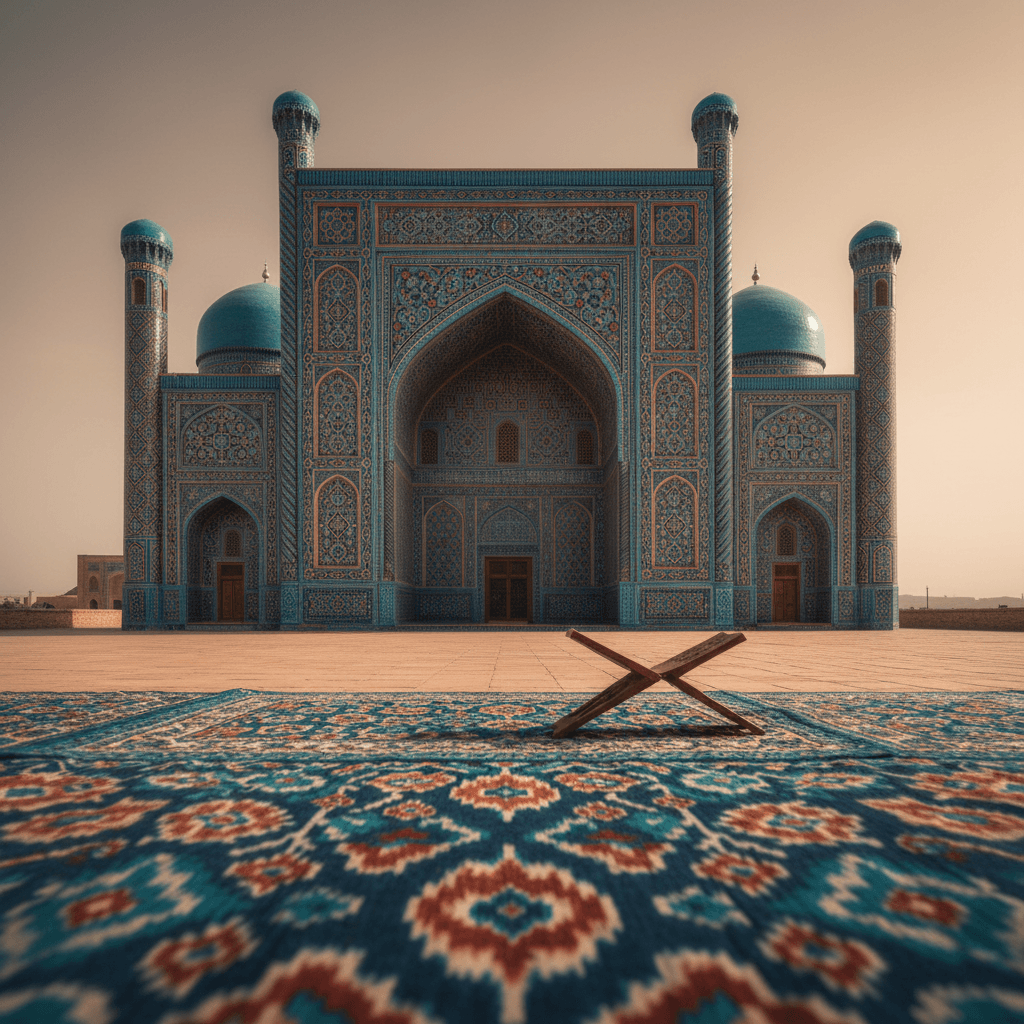
Religion in Uzbekistan is easy to misread before you arrive. You’ll see grand mosques and turquoise domes in every guidebook, then land in Tashkent and find women in jeans, busy cafes and bars, and people for whom faith is part of everyday identity more than daily ritual.
Both pictures are true. Uzbekistan is a predominantly Sunni Muslim country. For a traveler, that mix is good news: faith is visible and proud, but you won’t be expected to know much. A little respect goes a long way.
What religion in Uzbekistan actually looks like
Most Uzbeks are Sunni Muslims, following the Hanafi school, which tends to be moderate and flexible. There are also small communities of Shia Muslims, Orthodox Christians (mostly ethnic Russians), and a historic Jewish presence in Bukhara and Samarkand that’s now very small.
The defining feature is how relaxed daily practice often is. For many families, Islam lives most strongly in weddings, holidays, hospitality, and a shared sense of identity, more than in daily ritual. You’ll feel that balance everywhere: real pride in the faith’s heritage alongside an easygoing, modern daily life.
Sufism matters here too. Bukhara was a major center of the Naqshbandi order, and you’ll feel that quieter, mystical strain of Islam at shrines where pilgrims come to pray and reflect rather than just sightsee.
The state keeps a firm line between mosque and government. So while Islom iss-LOM (Islam) shapes the culture, Uzbekistan is officially secular, and you’ll notice that in how openly people live.
What this means for you as a visitor
Nobody expects a tourist to understand Islamic practice. You won’t be lectured, pressured, or asked about your beliefs. The country is used to visitors, and basic courtesy is all that’s expected.
What helps most is reading the room. A working mosque during prayer is different from a museum-piece monument, and dressing for a shrine is different from dressing for a bazaar.
Dress: modest, not strict
Day to day, normal travel clothes are fine. Cities like Tashkent and Samarkand are casual, and you’ll see locals in everything from suits to shorts in summer.
For religious sites, cover a bit more:
- Shoulders and knees covered for everyone.
- Women may be asked to cover their hair inside some mosques and shrines. Keep a light scarf in your bag.
- Shoes come off before you step onto prayer carpets. Wear socks you don’t mind showing.
- Avoid very short shorts or low-cut tops at active places of worship.
That’s about it. There’s no requirement for women to be fully covered, and headscarves aren’t expected on the street.
Mosque etiquette in short
Many of Uzbekistan’s famous mosques are both monuments and working places of prayer. Move quietly, don’t walk in front of someone praying, and ask before photographing people mid-prayer. During the five daily prayer times, parts of a mosque may close briefly to visitors.
If you want the full rundown before you go, our guide to mosque etiquette covers shoes, photos, and the small courtesies that make staff relax around you.
A friendly Assalomu alaykum ah-sah-LOM-u ah-LAY-kum (peace be upon you) to a caretaker or imam usually earns a warm response. It’s the standard greeting and works far beyond mosques.
Ramadan and what to expect
During Ramadan, Ramazon rah-mah-ZON in Uzbek, observant Muslims fast from dawn to sunset for about a month. The dates move about 11 days earlier each year on the lunar calendar: in 2026 it ran from mid-February to mid-March, and in 2027 it falls in early February.
For travelers, daily life carries on. Restaurants and cafes stay open, shops run normally, and you can eat and drink in public without trouble. This isn’t a country where fasting is enforced on visitors.
A few things to know:
- The evening meal that breaks the fast, iftor if-TOR , is a lively, social time. Restaurants can get busy right after sunset.
- Some smaller eateries in conservative areas may keep shorter daytime hours.
- If you share a meal with a fasting host, it’s polite to wait for sunset or eat discreetly. When in doubt, just ask.
The two big holidays, Ramazon hayiti rah-mah-ZON hah-yee-TEE (Eid al-Fitr) and Qurbon hayiti koor-BON hah-yee-TEE (Eid al-Adha), are public holidays with family visits, big meals, and a generally festive mood. They’re a good time to experience Uzbek hospitality firsthand.
The great religious monuments
Much of what draws people to Uzbekistan is religious architecture, and it’s some of the finest in the Islamic world.
In Samarkand, the Registan Square was a center of learning where students studied Quran, theology, and science side by side. Nearby, Shah-i-Zinda is a corridor of tiled mausoleums and a genuine pilgrimage site, so you’ll see worshippers alongside photographers.
Bukhara holds the Po-i-Kalyan Complex, where the great minaret has stood since the 12th century and the mosque still functions. It’s the spiritual heart of a city that was once packed with madrasas.
In Tashkent, the Khast Imam Complex is the religious heart of the capital, calmer than the Silk Road headliners and worth an unhurried visit. Its most famous treasure, the Uthman Quran (one of the world’s oldest), moved in 2026 to the city’s new Center for Islamic Civilization, where it’s now the centerpiece.
Treat these places as living religion where people pray, not just photo backdrops, and you’ll be welcome everywhere.
A few words that help
Uzbeks weave faith into everyday speech, and a couple of phrases smooth almost any interaction.
- Rahmat rah-MAHT (thank you) is your workhorse word.
- Inshalloh in-shah-LOH (God willing) pops up when people talk about future plans.
- Xudoga shukur hoo-DOH-gah shoo-KOOR (thank God) is a common reply to “how are you,” even from people who aren’t especially religious.
You don’t need to use these, but recognizing them helps you follow the rhythm of a conversation.
Frequently asked questions
Is Uzbekistan a strict Muslim country?
Not especially. Uzbekistan is officially secular, with a moderate, largely cultural form of Sunni Islam. Alcohol is sold openly, dress is casual in cities, and tourists face no religious restrictions in daily life.
Do women need to cover their hair in Uzbekistan?
Not on the street or in restaurants. A headscarf may be requested inside some mosques and shrines, so carrying a light scarf is handy, but it isn’t expected in everyday settings.
Can I visit mosques as a non-Muslim?
Yes. Most famous mosques and complexes welcome visitors of any faith. Dress modestly, remove your shoes on prayer carpets, stay quiet, and avoid walking in front of people who are praying.
Is it okay to eat in public during Ramadan?
Yes. Restaurants stay open and you can eat and drink normally. Just be considerate around fasting hosts or in more conservative small towns.
What religions exist in Uzbekistan besides Islam?
Mostly Sunni Islam, with small communities of Shia Muslims, Orthodox Christians, and a historic Jewish presence in Bukhara and Samarkand.
Want the greetings and shrine-visit phrases ready when you’re offline and standing at a mosque gate? The Salom Uzbekistan app has them with audio you can play even without signal. Get the app before you go.